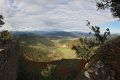
In addition to La Garrotxa Volcanic Zone Natural Park and L'Alta Garrotxa, La Garrotxa has other valuable natural areas, such as much of Milany-Santa Magdalena and Puigsacalm-Bellmunt mountain ranges, part of the Collsacabra and a small part of the Mountains of Rocacorba.
These three protected areas contain beautiful landscapes, roads full of history and spectacular viewpoints.


-
 Plan your holidays
-
 What to do
-
 Where to eat
-
 Where to sleep
-
 Where to shop
-
 Ticket sale
-
 River access
-
 Agenda
 Routes and excursions
Other protected areas of La Garrotxa
- Start
- »
- La Garrotxa
- »
- Territory and Nature
- »
- Natural Park and protected areas
- »
- Other protected areas of La Garrotxa


Routes and excursions TOP
-
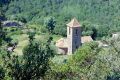

La Miana route itinerary. Route 1 Sant Ferriol
This is a very long circular route that allows you to reach La Miana and return via a different path. If we want to do shorter sections to Sagrat Cor, Sant Silvestre el Mor, Sant Fructós, etc... you can do a round trip route.
-
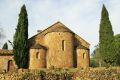
Lligordà and Palera route. Route 5 Beuda
Itinerary around Beuda, which will allow you to see some of its main Romanesque constructions.
-

Across the Collsacabra plateau. Route 4 Garrotxa
This route follows part of the old ‘Royal Road’, a medieval trail joining these two cities that was probably paved to be able to transport timber to Barcelona to construct a fleet for the king.
-
Artistic Garrotxa
La Garrotxa is a county that is associated with a great variety of art forms.
-
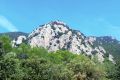
El Castellot de Beuda route. Route 1 Beuda
A fairly affordable route to Castellot, an old watch building 220 meters above Beuda.
-
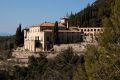
El Mont from Segueró route. Ruta 4 Beuda
Route of 6.4 km the church of the Sanctuary of late Romanesque style, from the beginning of the 14th century.
-
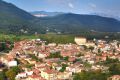
Sant Feliu de Pallerols, Sant Marc and Puig Roig volcanoes. Natural Park route 22
Short itinerary that gives us the possibility of knowing the two volcanoes closest to Sant Feliu de Pallerols and at the same time further away from the central core of the Volcanic Zone of La Garrotxa.
-
The Lava Flows
The volcanoes that erupted thousands of years ago in what today is La Garrotxa region gave rise to great lava flows that occupied the bottoms of the local river valleys.